Read the full article to gain deeper insights and comprehensive information.

Jul 07, 2026
0
Learn how to start a plastic recycling business in India. Explore plastic recycling machines, plant cost, raw material, licence, EPR, process and profit factors.
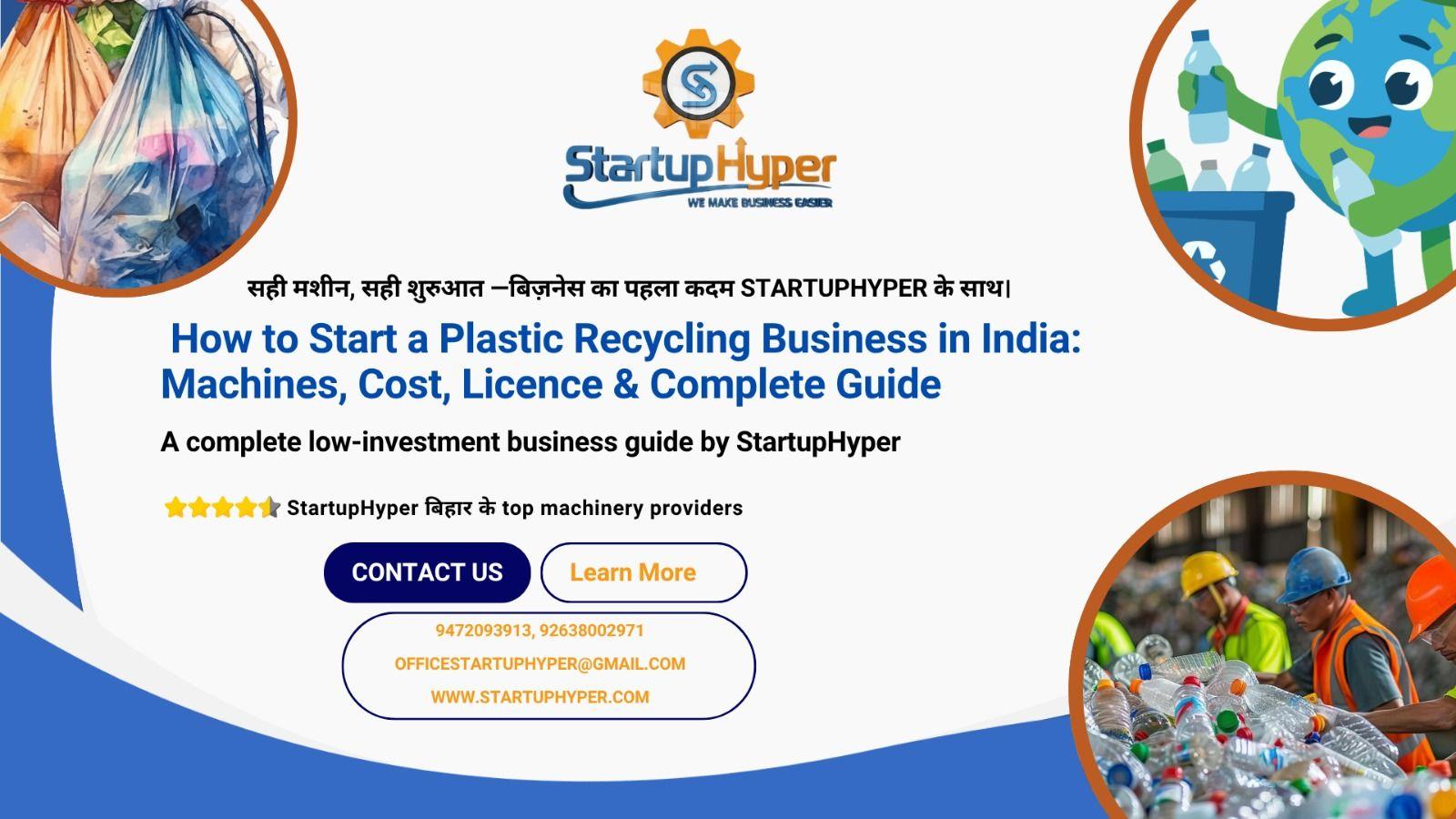
Plastic recycling is one of the most practical manufacturing businesses for entrepreneurs who want to work in waste management, sustainability and industrial raw-material supply.
But this business is not just about collecting plastic waste and putting it into a machine. A successful plastic recycling business needs proper waste sourcing, sorting, washing, shredding, drying, extrusion, pelletizing, pollution-control compliance and a buyer network for recycled plastic granules.
India’s plastic waste rules are becoming stricter, and Extended Producer Responsibility, or EPR, has made plastic waste processing more organized through the CPCB EPR portal. The official CPCB portal is used for plastic packaging EPR registration and related compliance activities. (EPR Plastic Portal)
This guide explains how to start a plastic recycling business in India, including business models, machines, investment, licences, process, profit factors and common mistakes.
A plastic recycling business collects or purchases plastic waste, processes it, and converts it into reusable raw material.
The most common output is recycled plastic granules, also called plastic dana. These granules can be used by manufacturers for products such as pipes, buckets, plastic sheets, containers, bags, household items and other plastic products.
A basic plastic recycling flow looks like this:
Plastic Waste Collection → Sorting → Washing → Shredding/Crushing → Drying → Extrusion → Pelletizing → Recycled Granules
A complete recycling and pelletizing line can include feeding, shredding, extrusion, filtration, degassing, pelletizing, drying and storage, depending on the material and plant capacity. (H.R. Plastic Industries)
Plastic recycling is growing because of three major reasons:
India uses plastic in packaging, FMCG, food delivery, retail, agriculture, construction and household products.
Many manufacturers use recycled granules to reduce raw-material cost.
Plastic packaging waste is managed under Extended Producer Responsibility, and plastic waste processors are part of this compliance ecosystem. CPCB’s guidance mentions Plastic Waste Processors such as recyclers, waste-to-energy units, waste-to-oil units and industrial composting units. (EPR Plastic Portal)
This means recycling is no longer only an informal scrap business. It is becoming a more structured industrial opportunity.
Before buying machines, decide what type of recycling business you want to start.
| Business Model | What You Do | Suitable For |
|---|---|---|
| Plastic Scrap Collection and Sorting | Collect, sort and sell plastic waste | Low-investment beginners |
| Plastic Shredding Business | Convert waste plastic into flakes | Small recycling units |
| Plastic Washing Line | Wash and dry contaminated plastic waste | Medium-scale units |
| Plastic Granules Manufacturing | Convert plastic waste into recycled dana | Full recycling business |
| PET Bottle Recycling | Process used PET bottles into flakes or granules | PET-focused recyclers |
| HDPE / PP / LDPE Recycling | Process specific plastic categories | Industrial recyclers |
| Plastic Waste Processor Under EPR | Process waste for EPR-linked compliance | Registered recyclers |
For most manufacturing-focused entrepreneurs, the strongest model is:
Plastic Waste to Recycled Granules Business
Because recycled granules have clear buyers in manufacturing industries.
Not every plastic waste is processed in the same machine. Different plastics need different sorting, washing and processing conditions.
| Plastic Type | Common Source | Recycling Use |
|---|---|---|
| PET | Water bottles, soft drink bottles | PET flakes, fibre, sheets, packaging |
| HDPE | Milk cans, shampoo bottles, containers | Pipes, drums, containers |
| LDPE | Plastic films, bags, packaging film | Recycled film, bags, sheets |
| PP | Buckets, caps, furniture, packaging | Household products, automotive parts |
| PVC | Pipes, cables, sheets | Construction and industrial products |
| ABS / Engineering Plastics | Electronics, automotive parts | Specialised recycling |
For beginners, it is better to focus on one or two plastic types instead of mixing everything. Mixed plastic creates quality problems and reduces granule value.
Your sourcing quality decides your final output quality. Clean, sorted plastic gives better granules than mixed, dirty waste.
For example, PET bottles should not be mixed with HDPE containers or PVC waste. Wrong sorting can damage product quality and machine performance.
Plastic waste is cut into small pieces using a plastic shredder or crusher machine. This makes the material easier to wash, dry and feed into the extruder.
A washing line cleans the shredded material before extrusion.
Washing is very important for PET bottle recycling and post-consumer plastic waste
After washing, plastic flakes must be dried properly. Moisture can create bubbles, weak granules and poor extrusion quality.
Clean and dry plastic flakes are melted in an extruder.
The extruder converts plastic into a molten form and filters impurities through a screen changer or melt filter.
The melted plastic is cut into small granules.
These granules are then cooled, dried and packed.
Recycled granules are packed in bags and sold to plastic product manufacturers.
| Machine | Purpose |
|---|---|
| Plastic Sorting Table | Manual sorting of plastic waste |
| Plastic Shredder / Crusher | Cuts plastic into small flakes |
| Washing Tank / Washing Line | Removes dirt, labels and contamination |
| Friction Washer | Deep cleaning of plastic flakes |
| Dewatering Machine | Removes water after washing |
| Dryer | Reduces moisture before extrusion |
| Agglomerator (if required) | Densifies plastic film waste |
| Extruder Machine | Melts and processes plastic |
| Screen Changer / Filter | Removes impurities from molten plastic |
| Pelletizer / Granule Cutter | Converts plastic into granules |
| Cooling Tank | Cools plastic strands or pellets |
| Weighing and Bagging Setup | Packs recycled granules |
A full plant does not need every machine on day one. Your machine selection depends on plastic type, contamination level, output product and budget.
| Setup Type | Machines Included | Suitable For |
|---|---|---|
| Basic Shredding Unit | Shredder, sorting table, weighing setup | Selling plastic flakes |
| Washing + Shredding Unit | Shredder, washer, dryer | Clean flakes supply |
| Granules Manufacturing Unit | Shredder, washer, dryer, extruder, pelletizer | Recycled dana production |
| PET Bottle Recycling Line | Debaler, label remover, crusher, washer, dryer, flake line | PET bottle recycling |
| Full Automatic Recycling Plant | Complete washing, extrusion, pelletizing and packing line | Large commercial recycling |
The cost depends on plastic type, plant capacity, automation level and whether you are making flakes or granules.
| Setup Type | Approximate Investment |
|---|---|
| Plastic Sorting and Shredding Unit | ₹5 lakh – ₹15 lakh |
| Shredding + Washing Setup | ₹10 lakh – ₹30 lakh |
| Small Plastic Granules Manufacturing Unit | ₹15 lakh – ₹50 lakh |
| Semi-Automatic Recycling Plant | ₹40 lakh – ₹1 crore |
| PET Bottle Recycling Line | ₹50 lakh – ₹2 crore+ |
| Large Automatic Recycling Plant | ₹1 crore and above |
Some Indian supplier listings show plastic recycling machines and plants around ₹14.5 lakh–₹16.5 lakh for certain configurations, but final project cost changes heavily with capacity and included equipment. (hrplastic.in)
Note: These are planning ranges only. Actual cost depends on machine capacity, automation, plastic type, washing requirement, electrical work, water treatment, pollution-control setup, land, shed and working capital.
| Cost Head | Why It Matters |
|---|---|
| Machinery | Shredder, washer, dryer, extruder and pelletizer |
| Land / Rent / Shed | Space for sorting, washing, processing and storage |
| Electrical Setup | Recycling machines need proper industrial power |
| Water System | Washing line requires water management |
| Effluent Treatment | Required if washing wastewater is generated |
| Labour | Sorting, machine operation, packing and loading |
| Raw Material Stock | Purchase of plastic scrap |
| Packaging | Bags for recycled granules |
| Licence and Compliance | CPCB/SPCB approvals, trade licence, GST and Udyam registration |
| Working Capital | 2–3 months of operational buffer |
Plastic recycling is a regulated business. Requirements depend on your state, plant size and activity type.
The Plastic Waste Management Rules have been amended multiple times, including the 2024 amendment by MoEFCC. The rules came into force from the date of publication in the Official Gazette. (MoEFCC)
EPR stands for Extended Producer Responsibility.
Under plastic waste management compliance, Producers, Importers and Brand Owners are responsible for managing plastic packaging waste. Plastic Waste Processors, including recyclers, help process plastic waste and may issue or support EPR-related processing documentation
through the compliance system. CPCB operates the central EPR portal for plastic packaging. (EPR Plastic Portal)
If you want to work with companies that need EPR compliance, proper registration and documentation become very important.
The main raw material is plastic waste.
Poor raw material increases washing cost, reduces output quality and affects buyer confidence.
| Setup Type | Approximate Space |
|---|---|
| Sorting and Shredding Unit | 1,000–2,000 sq. ft. |
| Small Recycling and Granules Unit | 2,000–5,000 sq. ft. |
| Washing + Extrusion Setup | 5,000–10,000 sq. ft. |
| Large PET Recycling Plant | 10,000 sq. ft. and above |
Incoming plastic waste
| Role | Requirement |
|---|---|
| Sorting Workers | Manual segregation of plastic waste |
| Machine Operator | Shredder, washer and extruder operation |
| Supervisor | Production monitoring and quality control |
| Helper | Loading, unloading and packing |
| Sales Person | Buyer network and scrap-supplier coordination |
| Maintenance Technician | Electrical and mechanical support |
A small plant may start with 5–8 people. A larger washing and granule-making unit may need more staff depending on shifts and automation.
The biggest mistake is assuming all plastic waste becomes saleable granules. There will be sorting loss, washing loss, rejects and quality variation.
You earn when the value of recycled flakes or granules is higher than your total cost of plastic scrap, processing, electricity, labour, packaging and logistics.
Before setting up the plant, talk to buyers and understand what type of granules they need.
PET, HDPE, LDPE and PP should be sorted separately. Mixing them reduces the quality and value of recycled granules.
Dirty or wet plastic leads to poor-quality flakes and granules. Proper washing, dewatering and drying are essential.
First identify who will buy your flakes or recycled dana. Buyer requirements decide the type of plastic and quality you should produce.
Shredders, dryers and extruders consume significant power. Include electricity load and monthly bills in your cost planning.
Washing lines generate wastewater. Plan water reuse, drainage and required pollution-control approvals before starting.
Scrap suppliers often need immediate payment, while buyers may take credit. Keep funds for raw material, labour, power and transport.
Low-cost machines can cause frequent breakdowns, poor output and high maintenance. Focus on quality, capacity and after-sales support.

Starting a plastic recycling business needs the right machine line, not just one machine. StartupHyper can help you with:
Whether you want to start a small plastic shredding unit or a complete plastic granules manufacturing plant, StartupHyper can help you plan the right machinery setup according to your budget and target market.
Yes, it can be profitable if you have regular plastic scrap supply, good sorting, proper washing, reliable machinery and buyers for recycled flakes or granules.
A basic plastic shredding unit may start around ₹5 lakh–₹15 lakh. A granules manufacturing unit generally requires higher investment, often starting from ₹15 lakh and going much higher depending on capacity.
Beginners can start with plastic sorting and shredding, or a small granules-making setup focused on one plastic type such as PP, HDPE or LDPE.
Common machines include plastic shredder, crusher, washing tank, dryer, agglomerator, extruder, pelletizer, cooling tank and packing setup.
Yes. You may need GST, Udyam, trade licence, State Pollution Control Board consent and plastic waste processor/EPR-related registration depending on your business model and state rules.
EPR means Extended Producer Responsibility. It makes producers, importers and brand owners responsible for managing plastic packaging waste through registered systems and processors.
Yes. PET bottles can be recycled into flakes or granules and used in different industries. PET recycling usually needs proper sorting, label removal, washing and drying.
A small shredding unit may need 1,000–2,000 sq. ft., while a full washing and granule-making plant may need 5,000 sq. ft. or more.
Plastic dana means recycled plastic granules. These are small plastic pellets used by manufacturers to make new plastic products.
PET, HDPE, LDPE and PP are commonly recycled, but the easiest option depends on local scrap availability, machine setup and buyer demand.
Plastic recycling is a serious manufacturing opportunity, but it needs proper planning.
Do not start by asking only, “plastic recycling machine price kya hai?”
With the right machinery, compliance and buyer network, a plastic recycling business can become a scalable manufacturing business in India.
Contact StartupHyper today to discuss plastic recycling machines, plant setup and the right machinery configuration for your business.
📞Call / WhatsApp: 9472093913
📧Email: info@startuphyper.com
🌐 Website: www.startuphyper.com | www.machinehai.com
🏢 Branches: Patna | Gaya | Katihar | Saharsa
Jul 06, 2026
Stay updated with the latest tips, trends, and best practices in factory setup and machinery procurement—subscribe to the StartupHyper newsletter!
No spam, we promise. Your inbox is safe with us—only valuable insights.